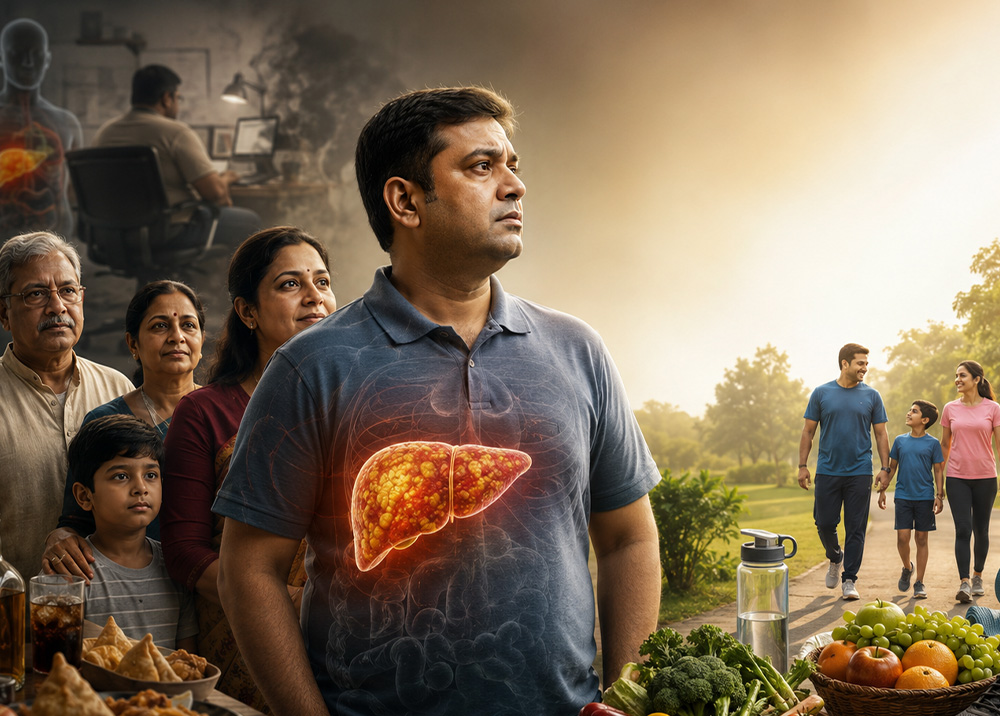
Modern lifestyles often centre around ultra processed foods, long hours at a desk, increased screen time, and severe lack of daily exercise. This sedentary routine means the body rarely burns off stored glycogen, leaving the liver to process the constant excess energy. When combined with stress, irregular sleep, and poor eating habits, this lifestyle directly triggers metabolic and gut health problems in working professionals.
Dr. Jayanta Paul, a leading Gastroenterologist & Liver Specialist in Barasat, notes that many young professionals ignore early signs of fatty liver and poor liver health, seeking treatment only after their metabolic symptoms have spiralled. They are completely unaware that their daily routine is driving fat straight into their liver tissue and silently causing long-term liver damage.
Why Diet Plays a Major Role in Liver Health
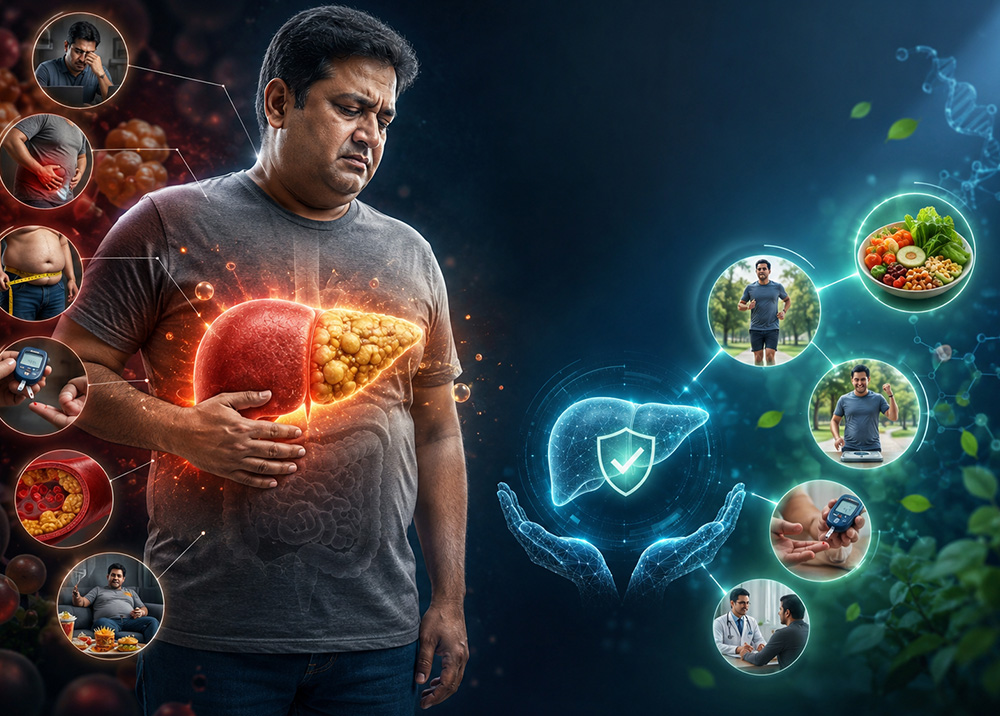
The liver is responsible for processing nutrients, filtering toxins, regulating fat metabolism, and maintaining energy balance. When the body receives excessive unhealthy fats, sugar, refined carbohydrates, and processed foods, fat begins to accumulate inside liver cells.
Over time, this may lead to:
- Fatty liver disease
- Liver inflammation
- Insulin resistance
- Obesity-related liver stress
- Elevated cholesterol and triglycerides
- Digestive imbalance
This is why following a proper diet for fatty liver disease is considered one of the most effective long-term strategies for protecting liver function.
The Gut-Liver Axis: When IBS and Fatty Liver Overlap
When the baseline digestive system is stressed by a poor diet and corporate anxiety, it doesn’t just affect the liver; it frequently manifests as Irritable Bowel Syndrome (IBS). Because the gut and the liver are closely linked via the portal vein, an inflamed, leaky gut directly exposes the liver to toxins and increased metabolic stress.
Patients experiencing these overlapping functional issues often present with specific IBS subtypes, such as:
- IBS-D (Diarrhea-predominant): Characterized by frequent loose stools, urgency, and abdominal cramping.
- IBS-C (Constipation-predominant): Marked by infrequent bowel movements, straining, and severe bloating.
Managing both conditions simultaneously requires specialized nutrition therapy for fatty liver alongside low-FODMAP adaptations.
Modern Lifestyle and Liver Damage
Urban lifestyle habits have drastically changed eating behaviour across Indian families. Long working hours, food delivery culture, poor sleep, and reduced physical activity all contribute to metabolic stress on the liver.
Common lifestyle triggers include:
- Frequent consumption of junk food
- Excess sugary beverages
- Late-night dinners
- Lack of exercise
- Sedentary office work
- Stress-related overeating
- Irregular meal timings
- Poor hydration
Many patients seeking guidance on how to reverse fatty liver naturally are often unaware that daily lifestyle habits are continuously worsening liver inflammation.

“Your liver reflects your daily lifestyle choices. Small but consistent changes in diet, exercise, and meal timing can significantly improve liver recovery and long-term metabolic health.”
Foods to Avoid in Fatty Liver
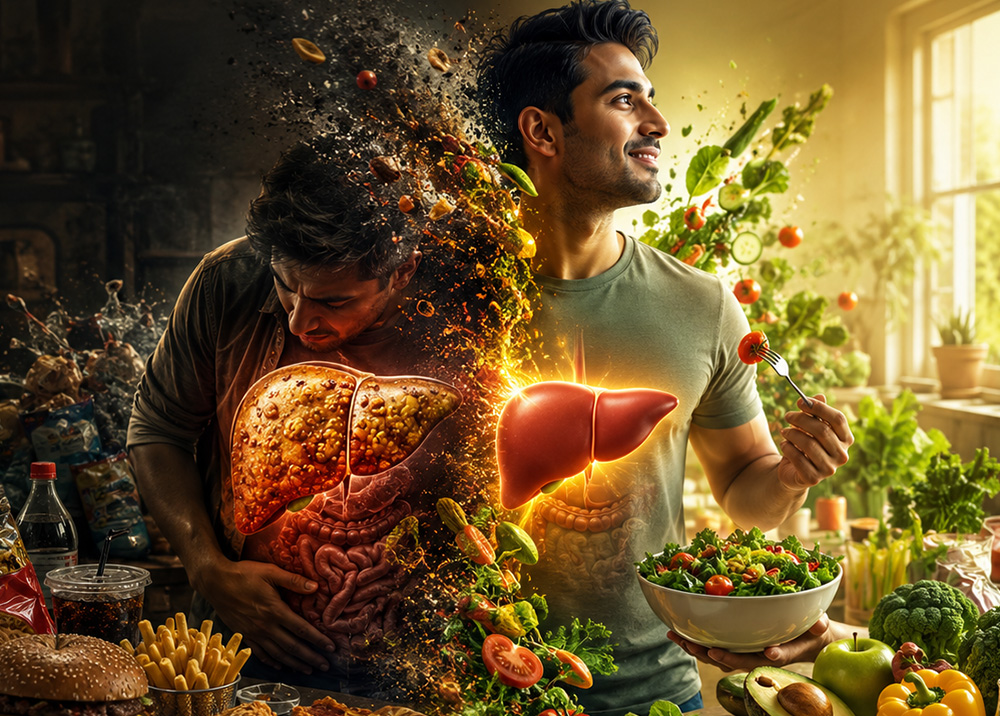
One of the most important aspects of recovery is identifying harmful dietary patterns. Patients looking for foods to avoid in fatty liver should limit:
- Deep-fried foods
- Processed snacks
- Sugary beverages
- Bakery products made with maida
- Fast foods and packaged meals
- Excess red meat
- Alcohol consumption
- High-sugar desserts
Reducing these foods can help lower fat accumulation and improve liver metabolism.
Actionable Steps: How to Reverse Fatty Liver Naturally
Reversing early-stage liver fat buildup is highly achievable through targeted dietary modifications and lifestyle discipline. Here are essential liver health diet tips to integrate into your daily routine:
Prioritize Fiber and Clean Proteins: Introduce high-fiber fruits, fresh salads, home-cooked lentils, and lean proteins to stabilize blood sugar and reduce hepatic fat.
Identify Foods to Avoid in Fatty Liver: Eliminate junk foods, deep-fried items, bakery products made of maida, and foods packed with high-fructose corn syrup.
Correct Your Meal Timings: Avoid skipping breakfast to keep your metabolism active, and finish your dinner at least 3 hours before going to bed to prevent overnight metabolic strain.
Hydrate Smarter: Choose pure water over sugary soft drinks, artificial energy beverages, or excessive caffeine to seamlessly support your body’s natural filtration systems.
Building the Right Fatty Liver Diet Plan
A structured fatty liver diet plan India should focus on balanced nutrition, controlled calories, and sustainable eating habits.
Recommended foods include:
- Fresh fruits and vegetables
- Whole grains
- High-fibre foods
- Lean proteins
- Home-cooked meals
- Nuts and seeds in moderation
- Probiotic foods like curd
- Adequate water intake
Recognizing Red Flags and Long-Term Complications
While fatty liver disease often begins silently with mild fatigue or a feeling of heaviness on the right side of the abdomen, ignoring it can lead to severe complications. Over time, untreated fat accumulation causes chronic inflammation (NASH), which can progress to liver fibrosis, irreversible liver cirrhosis, or liver failure.
Red flag symptoms that necessitate immediate medical evaluation include:
- Yellowing of the skin or eyes (Jaundice)
- Persistent abdominal swelling (Ascites) or swelling in the ankles
- Severe, unexplained nausea and a complete loss of appetite
- Chronic, worsening fatigue that does not resolve with rest
- Abnormal findings in a routine Liver Function Test (LFT) or Ultrasound
If you notice any of these warning signs, consult a gastroenterologist immediately.
Visit Barasat Gastro and Liver Clinic (BGLC)
Consult Dr. Jayanta Paul, Gastroenterologist & Liver Specialist in Barasat, for advanced digestive and liver care designed to improve long-term metabolic and gastrointestinal health.
Book Appointment: +91 91633 03403
Address: Same Building, 2nd Floor, Purnasha Heights, Barasat Barbeque Nation & Westside Building, Dakbanglow More, Barasat, West Bengal 700124
Email: dr.jayantapaul@gmail.com
Website: www.barasatgastroandliverclinic.com